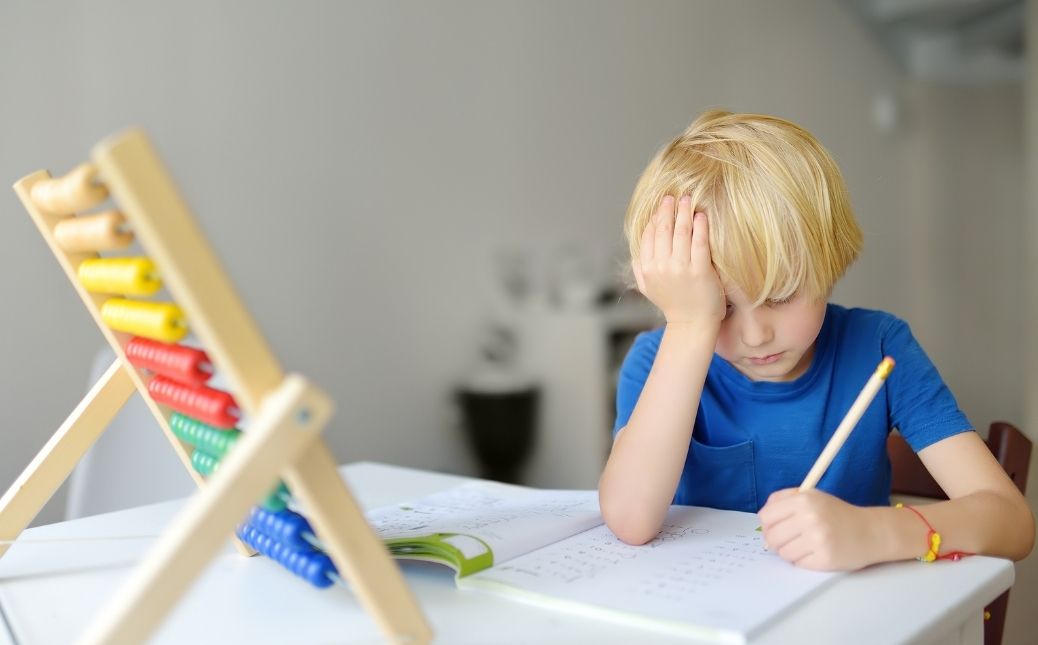
Research shows that millions of school-aged children live with reading or writing difficulties, and parents often find it hard to tell them apart. The question of Dyslexia vs. Dysgraphia matters because they impact kids in different ways. Dyslexia relates to how a child processes words, while dysgraphia affects how they express those words on paper. Both can be supported with the right paediatric occupational therapy and expert guidance.
To understand these conditions better, let’s break down the five biggest differences every parent should know.
Why the Distinction Matters
It’s easy to confuse these two conditions since both involve struggles with language. But knowing whether your child faces dyslexia or dysgraphia makes all the difference in how you support them. The wrong approach like focusing only on reading when writing is the real challenge can leave a child feeling unsupported.
That’s why professional assessment matters. Paediatric occupational therapy can help identify whether writing difficulties are due to motor skills (pointing to dysgraphia) or broader language-processing issues (pointing to dyslexia).
1. Reading vs. Writing: Where the Core Struggle Lies
When it comes to Dyslexia vs. Dysgraphia, the most obvious difference is the skill each affects.
- Dyslexia is a reading-based challenge. Children may struggle with recognising letters, sounding out words, or understanding written text. Reading aloud can feel overwhelming, and spelling errors are common.
- Dysgraphia, on the other hand, is a writing-based challenge. Kids may know the right words in their head but struggle to get them down on paper. Their handwriting may look messy, letters may be formed inconsistently, and organising ideas in writing can be frustrating.
Knowing whether your child struggles more with reading or writing is often the first step towards understanding which condition they may have.
2. Brain Processing vs. Motor Skills
The roots of dyslexia and dysgraphia are different, which is why their effects also differ.
- Dyslexia is linked to how the brain processes language. Children with dyslexia often find it difficult to connect letters with sounds, which makes reading and spelling harder.
- Dysgraphia often stems from difficulties with fine motor control and visual-spatial processing. A child may know exactly what they want to write, but their hand cannot keep up with their thoughts.
This difference is why paediatric occupational therapy is often recommended for dysgraphia; it strengthens motor coordination, hand control, and writing fluency.
3. Signs at School: How Teachers Spot the Difference
Teachers are often the first to notice the signs, but dyslexia and dysgraphia look very different in a classroom.
- A child with dyslexia may avoid reading aloud, take much longer to finish reading assignments, or become anxious during spelling tests. They may show strong oral skills but weaker reading comprehension.
- A child with dysgraphia may have nearly unreadable handwriting, avoid note-taking, or take ages to finish a written task. Even when they know the right answer, their written work doesn’t reflect it.
For parents, paying attention to these school-based signs can provide vital clues. A teacher might suggest seeking support from an occupational therapist in Sydney to explore these issues further.
4. Emotional Impact: Frustration vs. Fatigue
Both dyslexia and dysgraphia affect more than just academic performance; they impact how children feel about themselves.
- Dyslexia can leave children frustrated when reading doesn’t register the way it seems to for their peers. This may lead to self-doubt, embarrassment, or reluctance to participate in class.
- Dysgraphia often leads to fatigue and avoidance. Writing takes so much energy that kids may avoid it altogether. They may get upset when asked to copy notes or write long answers.
Recognising these emotional signs is just as important as spotting the academic ones. Both conditions require patience, encouragement, and personalised support.
5. Support Strategies: Different Paths to Progress
When thinking about Dyslexia vs. Dysgraphia, the solutions also look very different.
- Helping Dyslexia: Kids often benefit from structured reading programs that teach phonics, repetition, and comprehension skills. Early diagnosis is key to improving reading confidence.
- Helping Dysgraphia: Occupational therapy plays a bigger role here. Paediatric occupational therapy focuses on strengthening hand muscles, improving writing posture, and teaching alternative ways to express ideas like typing or using visual aids.
An occupational therapist in Sydney may also work closely with teachers and families to create practical strategies, such as breaking writing tasks into smaller steps or using special pencil grips.
Living with Dyslexia or Dysgraphia: What Parents Can Do
Parents play a vital role in helping kids thrive despite these challenges. Here are a few simple steps:
- Stay observant: Notice whether your child avoids reading or writing tasks.
- Communicate with teachers: They often see patterns you might miss at home.
- Seek early support: The earlier occupational therapy begins, the better the progress.
- Celebrate small wins: Improvement may be gradual, but each step forward builds confidence.
Most importantly, remind your child that their intelligence is not defined by how well they read or write. Many children with dyslexia or dysgraphia excel in creativity, problem-solving, or verbal communication.
The Bottom Line
Understanding Dyslexia vs. Dysgraphia is about more than labels. Dyslexia challenges reading, while dysgraphia makes writing hard. One is rooted in brain processing, the other in motor skills. Both can impact school life, emotional wellbeing, and self-confidence. But with the right support especially paediatric occupational therapy and expert care from an occupational therapist in Sydney children can overcome these barriers and thrive in their own unique ways.
In summary, dyslexia and dysgraphia are distinct but often confused conditions. Dyslexia impacts how kids process written words, while dysgraphia affects how they put thoughts onto paper. Knowing the difference helps families find the right path forward, from reading interventions to paediatric occupational therapy. With early support and understanding, children can unlock their strengths and achieve more than parents ever imagined.
Help your child overcome learning challenges with confidence. Connect with Cloud Nine Therapy for expert paediatric occupational therapy in Sydney today.
FAQs About Dyslexia and Dysgraphia
1. How to differentiate dyslexia and dysgraphia?
While both conditions affect learning, they target different skills. Dyslexia vs. Dysgraphia often comes down to how a child processes language. Dyslexia mainly affects reading and word recognition; it makes decoding and understanding text difficult. Dysgraphia, on the other hand, impacts writing ability, handwriting, and spelling.
A paediatric occupational therapy assessment can help identify which specific challenges a child faces and guide tailored interventions for improved learning outcomes.
2. What are the 4 D’s of dyslexia?
The “4 D’s” commonly associated with dyslexia are Difficulty, Disorientation, Distortion, and Disorganisation.
- Difficulty refers to struggles in reading fluently.
- Disorientation occurs when words seem to move or blur on the page.
- Distortion involves confusion of letter shapes or sequences.
- Disorganisation affects sequencing, comprehension, and memory.
Understanding these signs helps parents and educators work closely with an occupational therapist Sydney or a learning specialist to provide the right kind of support early on.
3. What are the 4 types of dysgraphia?
Dysgraphia can appear in different forms, and recognising them helps shape effective therapy plans:
- Dyslexic Dysgraphia: Writing is poor even when copied, often linked to spelling difficulties.
- Motor Dysgraphia: Caused by weak fine motor skills, leading to illegible handwriting.
- Spatial Dysgraphia: Results from poor spatial awareness, making it hard to maintain consistent letter size or spacing.
- Phonological Dysgraphia: Involves difficulty converting sounds to written symbols.
Through paediatric occupational therapy, children can strengthen fine motor control, coordination, and confidence in expressing their ideas through writing.